How Much Do Dental Implants Cost in the Bay Area?
Dental implants are the most effective long-term solution for replacing missing teeth, but they are also a significant investment. If you are considering implants, understanding what drives the cost and what you can expect to pay will help you make an informed decision. This guide covers dental implant pricing in the Bay Area, including single implants, multiple implants, full arch restorations, and the additional procedures that may affect your total cost.
What Is Included in the Cost of a Dental Implant?
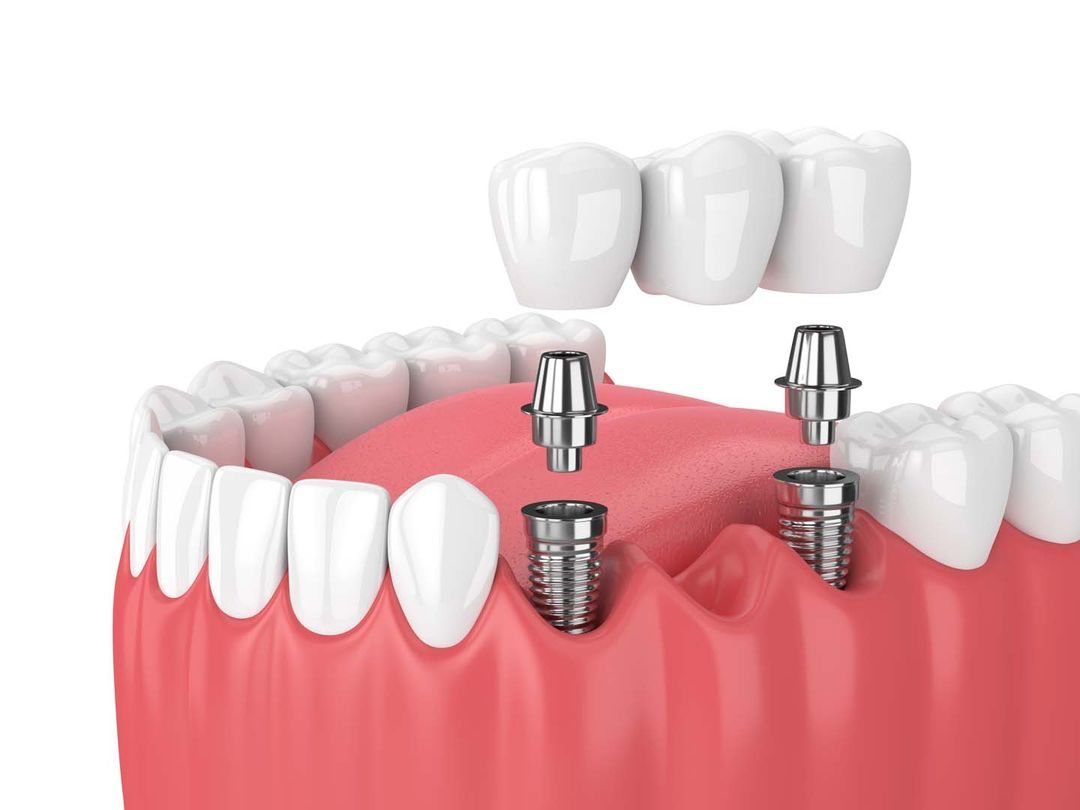
A dental implant is not a single item with a single price tag. The total cost includes multiple components and phases of treatment:
The implant post. This is the titanium screw that an oral surgeon places into your jawbone. It serves as the replacement root for your new tooth. The surgical placement of the implant is the oral surgeon's portion of the treatment.
The abutment. This is the connector piece that attaches to the top of the implant after it has healed and integrated with the bone. It sits just above the gumline and supports the final restoration.
The crown, bridge, or prosthesis. This is the visible part of your new tooth (or teeth). It is custom-fabricated by a dental lab and placed by your restorative dentist. The type of restoration (single crown, bridge, or full arch prosthesis) significantly affects the overall price.
When comparing dental implant costs, make sure you understand whether the quote includes all three components or just the surgical portion. At Bay Area OSM, we handle the surgical phase (implant placement, bone grafting, and sedation) and coordinate with your restorative dentist for the final restoration.
Dental Implant Cost Breakdown
Here are general cost ranges for dental implant treatment in the San Francisco Bay Area. These reflect the combined cost of surgery and restoration.
Single tooth dental implant: $3,500 to $6,000. This includes the implant post, the abutment, and a single crown. The surgical portion (placing the implant) typically accounts for $1,500 to $3,000 of the total cost, with the crown and restoration making up the remainder.
Multiple tooth implants (implant-supported bridge): $6,000 to $15,000. Two or more implants can support a bridge that replaces three to five adjacent teeth. This is more cost-effective per tooth than individual implants.
Implant-supported dentures (hybrid dentures): $15,000 to $25,000 per arch. These use two to four implants to stabilize a removable or fixed denture. They are significantly more affordable than a full arch of individual implants while still providing much better stability and comfort than traditional dentures.
All-on-4 full arch dental implants: $20,000 to $50,000 per arch. This replaces an entire arch of teeth with a fixed prosthesis supported by four to six implants. The wide range reflects differences in materials (acrylic vs. zirconia), the complexity of the case, and whether bone grafting or extractions are needed. Full mouth dental implants for both arches typically range from $40,000 to $90,000+.
These are estimates for the Bay Area market. Pricing varies by practice, by case complexity, and by the materials used for the final restoration.
Additional Procedures That Affect Implant Cost
The base cost of an implant assumes you have adequate bone and healthy tissue to support the implant. If that is not the case, additional procedures may be needed:
Bone grafting: $300 to $1,200 per graft site. Bone grafting adds volume to the jaw where bone has been lost after tooth extraction, gum disease, or prolonged denture wear. Socket preservation (grafting at the time of extraction) is the least expensive type. Ridge augmentation for larger defects costs more.
Sinus lift: $1,500 to $3,000 per side. When the upper jaw lacks sufficient bone height because the sinus has expanded into the jaw space, a sinus lift adds bone material to create room for the implant. This is one of the more common supplemental procedures for upper jaw implants.
Tooth extractions: $150 to $600 per tooth. If failing teeth need to be removed before implants can be placed, extraction costs are added to the treatment plan. Full mouth extractions before a full arch implant case typically range from $2,000 to $5,000.
3D imaging (cone beam CT scan): $200 to $500. This advanced imaging is standard for implant planning. It shows your bone density, nerve locations, and sinus position in three dimensions so the surgeon can plan precise implant placement.
IV sedation or general anesthesia: $250 to $600+. Many patients prefer to be sedated during implant placement, especially for multiple implants or full arch procedures.
Why Do Dental Implants Cost More Than Dentures or Bridges?
The upfront cost of dental implants is higher than dentures or bridges, but the long-term value tells a different story.
Dentures cost less initially ($1,000 to $3,000 per arch) but need to be relined, repaired, and eventually replaced every 5 to 10 years. They also do not prevent bone loss in the jaw, which means your facial structure continues to change over time.
Bridges ($2,000 to $5,000 for a three-unit bridge) require grinding down the healthy teeth on either side of the gap to serve as anchors. Those anchor teeth are permanently altered and may need crowns or root canals in the future. Bridges typically last 10 to 15 years before replacement is needed.
Dental implants cost more upfront but can last 25 years or more (often a lifetime) with proper care. They preserve jawbone health, do not affect neighboring teeth, and do not need adhesive or removal. Over a 20-year period, the total cost of maintaining dentures or replacing bridges often exceeds the one-time cost of implants.
Does Insurance Cover Dental Implants?
Dental implant coverage varies widely by plan.
Dental insurance: Most dental plans classify implants as a "major" procedure and cover 50% of the cost up to the annual maximum (typically $1,000 to $2,000 per year). This means insurance may cover a portion of a single implant but will not come close to covering a full arch case.
Medical insurance: In some cases, medical insurance covers the surgical portion of implant treatment when tooth loss is related to trauma, cancer, or a medical condition. This varies by plan and requires documentation from your surgeon.
HSA / FSA accounts: Health savings accounts and flexible spending accounts can be used for dental implant treatment, including the surgical fees, bone grafting, and anesthesia. This is one of the most effective ways to reduce your out-of-pocket cost using pre-tax dollars.
At Bay Area OSM, we verify your dental and medical insurance benefits before your consultation so you have a clear picture of what your plan covers.
How to Make Dental Implants More Affordable
Get a comprehensive treatment plan. Understanding the full scope of treatment, including extractions, bone grafting, implant placement, and restoration, lets you plan financially rather than being surprised by additional costs along the way.
Ask about phased treatment. Implant treatment is already phased (extraction, grafting, implant placement, restoration), and some patients spread the payments across these phases over several months.
Use CareCredit or healthcare financing. Promotional financing through CareCredit and similar programs can spread the cost over 12 to 24 months, sometimes at 0% interest if paid within the promotional period.
Compare total cost, not just implant cost. A lower implant fee that does not include bone grafting, imaging, or sedation may end up costing more than a practice that includes everything in a single treatment fee. Ask for a complete breakdown before committing.
Schedule a Dental Implant Consultation
The best way to get an accurate dental implant cost for your specific situation is to schedule a consultation. At Bay Area OSM, our board-certified oral surgeons will evaluate your bone, review 3D imaging, and develop a personalized treatment plan with a clear cost breakdown.
We have 10 locations across the Bay Area, including offices in San Jose, Novato, Fairfield, Vallejo, San Leandro, Pinole, Benicia, and Alameda. We accept most dental and medical insurance plans and offer flexible payment options to make implant treatment accessible.